The Caribbean's many islands are certainly not all alike. With landmasses large and small, some mountainous, others pancake-flat, some densely populated, others almost untouched, the variety is vast. The Dominican Republic and Turks and Caicos are geographically, linguistically and culturally about as far apart as two Caribbean destinations could be – so the question isn't which is better, but which is right for you?
Island Life or Resort Life
The Dominican Republic is one of the largest – and most visited – countries in the Caribbean. Its size brings plenty of diversity: mountains, jungles, fast-flowing rivers, scenic waterfalls and historic cities. The majority of visitors, however, make their way to one of the famed all-inclusive resorts and remain there for the duration of their stay. For those who simply need to switch off without a schedule, this is ideal: the pool, the dining, the entertainment are all on-site, and there's no obligation to venture any further. Villa rentals are available, but these tend to be part of large-scale resorts, which can feel less private and personal.
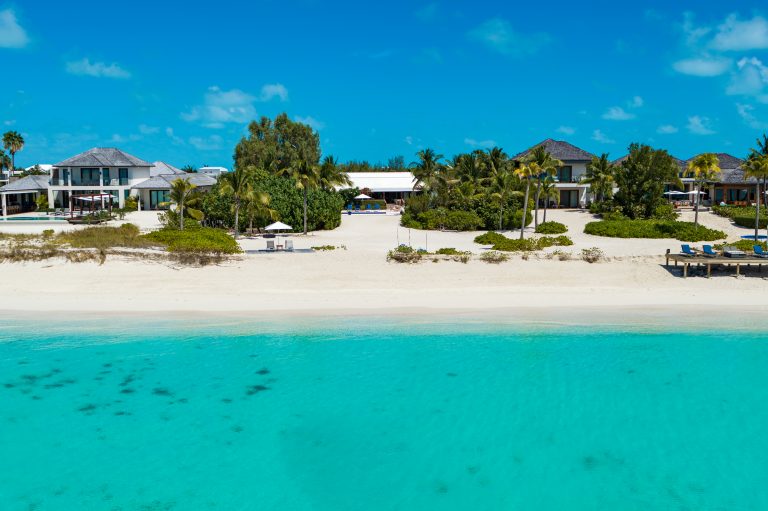
Turks and Caicos is a different proposition entirely. Small and flat, with very few all-inclusive resorts, what TCI offers above all is a sense of seclusion. The islands are uncrowded and unhurried but also offer a level of refinement that is uncommon in this part of the world. Providenciales has a few all-inclusive resorts and luxury hotels, but many visitors choose to stay in private villas which include pools, household staff, and a concierge available around the clock to arrange restaurant reservations, day trips and entertainment.
A Tale of Two Seas
One of the starkest differences between these two destinations – and one you won't find mentioned in the average travel brochure – is the sea.
The Dominican Republic's main tourist resorts are situated along its north and east coasts, exposed to the Atlantic winds and ocean swells. This creates excellent conditions for surfing, kitesurfing and windsurfing, but the sea is inevitably darker, rougher and less accessible to swimmers and snorkellers.
Turks and Caicos is quite different. Mile upon mile of pristine white sand fringes water that glows impossible shades of turquoise. Wide, shallow bays protected by an offshore barrier reef create consistently calm conditions that invite one to spend hours kayaking, paddleboarding or drifting over coral gardens.
The Activities: Land vs. Water
When it comes to activities, the DR offers immense variety. While the lush jungle interior is brimming with adventure activities such as hiking, white-water rafting, ziplining and canyoning, larger resorts have plenty of sports facilities – golf, tennis, horseback riding and archery, for instance – as well as entertainment in the form of salsa dancing and themed shows.
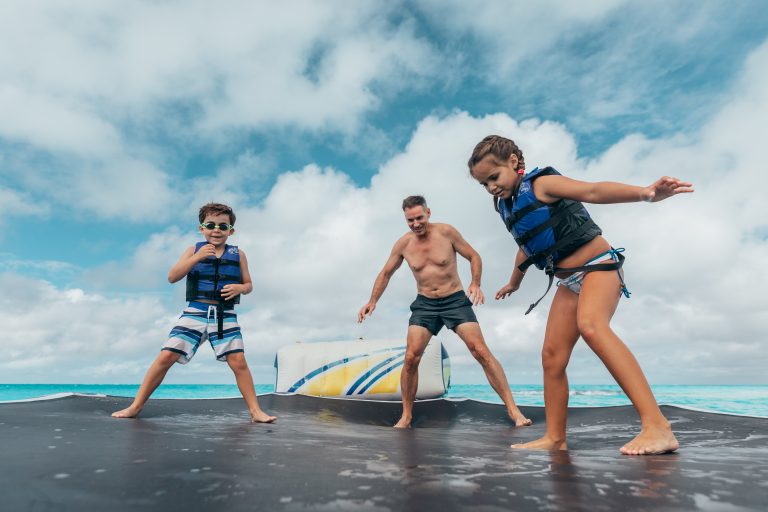
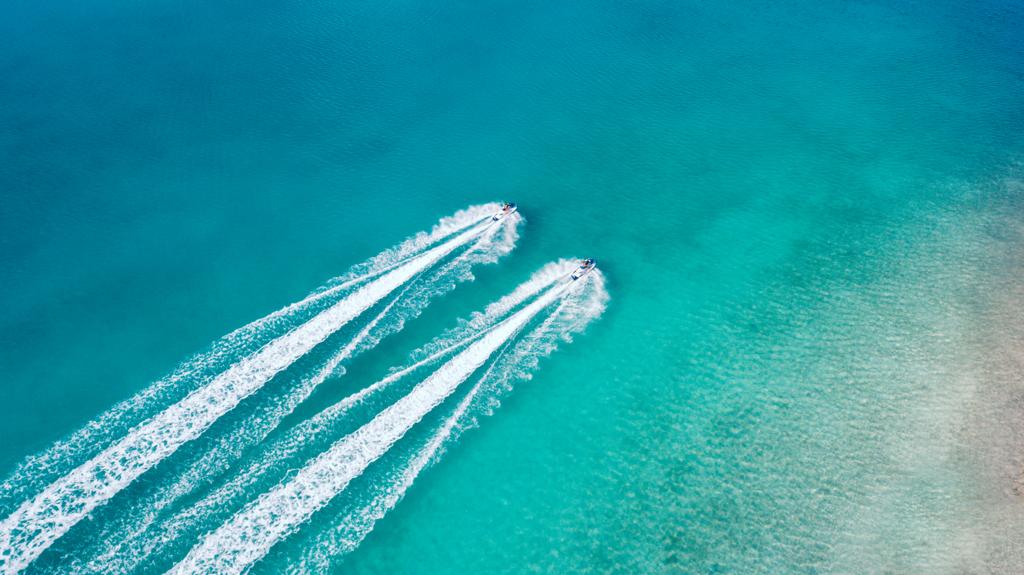
The Turks and Caicos has fewer land-based options, but it capitalises on its greatest assets: the warm, blue seas. With rich marine life and a dramatic underwater drop-off offshore, it has long been famed as a scuba diving destination, but closer to shore the calm waters and steady breezes are ideal for almost every water sport you could imagine: wakeboarding, e-foiling, kitesurfing, waterskiing, subwinging and skimboarding are just a few you can try. And despite the world-class conditions, the bays remain delightfully uncrowded.
The Cuisine: Local Flavours vs. Global Craft
The Dominican Republic has a clear advantage when it comes to fresh produce. Vegetables, herbs, spices and tropical fruits grow in abundance. Sampling the local cuisine is certainly a highlight, though finding authentic Dominican dishes may require venturing out of the resort to small, family run eateries. Within hotels, cuisine tends to cater to an international clientele, with menus that favour the familiar over the adventurous.
While the TCI offers little in the way of home-grown produce – most ingredients are imported – when in season the local lobster, conch and grouper is not to be missed. But perhaps the more significant difference is the culinary talent TCI attracts. With a reputation as a foodie destination, the islands are home to numerous accomplished chefs who blend flavours and techniques from around the world with flair.

Culture and Accessibility
Getting to the Turks and Caicos from North America takes around four hours, and with most accommodation no more than 15 minutes from the airport, minimal time is lost travelling. Add to this English being spoken everywhere, the US dollar as the currency, and many familiar US brands readily available, and the adjustment is seamless.
As a Spanish-speaking country with its own currency and a vibrant, music- and dance-loving culture, the DR can feel very foreign. For the adventurous traveller this may be part of the appeal, but for others the differences may feel like one challenge too many. It is also worth noting that visitors should exercise due caution when venturing outside of the main tourist hubs.

Which Is For You: Dominican Republic or Turks and Caicos?
If you want to check into a resort and surrender the planning and decision making to the organised activities and all–inclusive food and beverages, the DR offers both value and variety. It’s also a good choice for those seeking land-based adventures and the experience of being somewhere that is definitely unlike home.
If clear blue ocean, endless watersports and refined food and accommodation is calling you, the Turks and Caicos is hard to beat. Vacations in Providenciales are more personalised and private, with days unfolding in private villas rather than large resorts, and a sense of space and serenity that is hard to find.
Our concierge team is available to answer any questions you may have about Turks and Caicos. For more information contact reservations@thesource.tc